


The Global Career of a Paradigm.
A paradigm is not confirmed in a library. It is confirmed when it stands in the plenary session of the world’s leading productivity congress — and holds. From the European Productivity Conference in 2007 to the 18th World Productivity Congress in Manama, Bahrain in 2017, through WCPS and EANPC webinars, to the Academy of Romanian Scientists and KES International in Seville: Strategic Kaizen has been presented, tested, and confirmed on every international stage it has entered.
A paradigm is not confirmed in a library. It is confirmed on the production floor, in company results, and in the plenary sessions of the world’s leading congresses. But it is catalogued in 956 libraries worldwide — held in the permanent collections of the institutions that set the standard for what counts as rigorous. For an executive weighing whether to trust this architecture, that is not a footnote. It is the verdict.
of Strategic Kaizen.
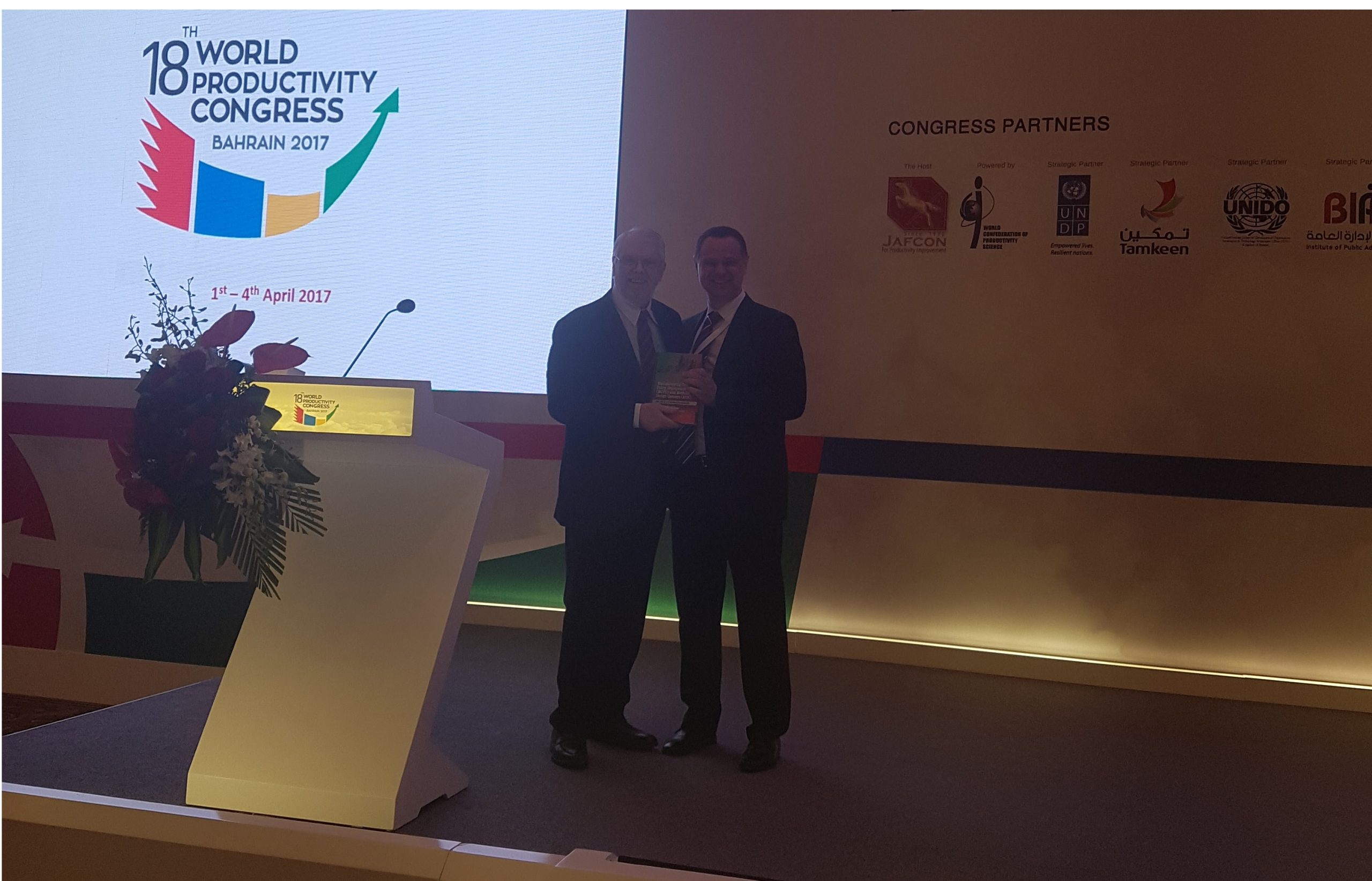
In April 2017, at the 18th World Productivity Congress in Manama, Bahrain — the most prestigious global gathering of productivity science — Strategic Kaizen was presented for the first time to the world in the plenary session of the congress. Not in a workshop. Not in a breakout room. In the plenary session, before the international assembly of the world’s leading productivity science authorities.
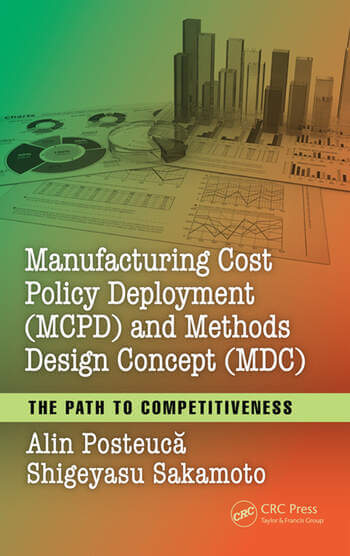
This was not only a presentation. It was the global launch alongside the publication of Manufacturing Cost Policy Deployment (MCPD) and Methods Design Concept (MDC): The Path to Competitiveness — the first book to formally introduce Strategic Kaizen, KAIZENshiro, and Synchronous Profitable Operations to an international scientific and executive audience. Co-presented with John Heap, President of the World Confederation of Productivity Science.
A paradigm, once publicly proven in the highest forum of its discipline, cannot be un-seen. That is what Bahrain was. That is what Bahrain remains.


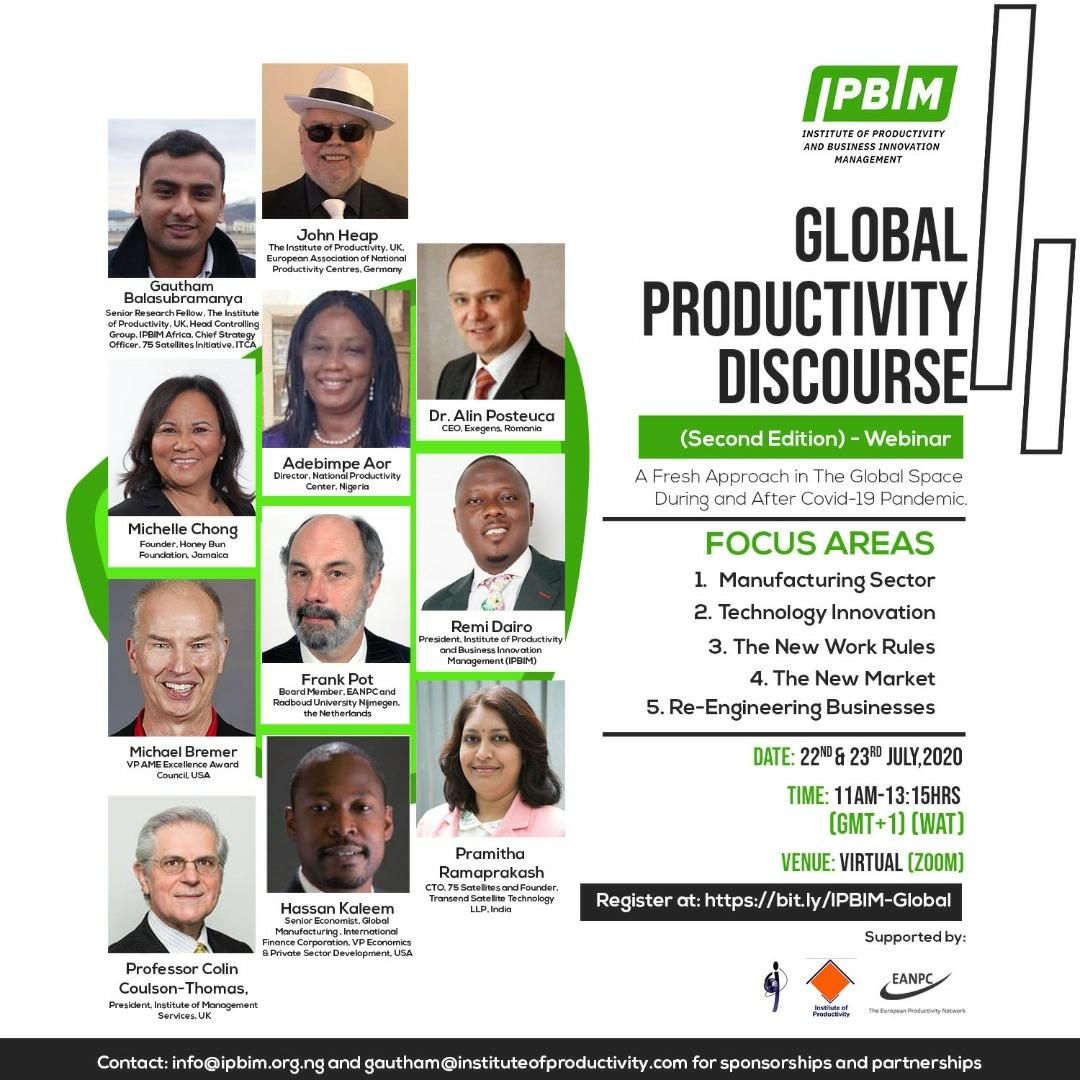
Invited as keynote speaker by WCPS and EANPC. The presentation addressed: before moving to Industry 4.0, what conditions of operational and financial governance must be in place? Synchronous Profitable Operations must be architecturally established first. Technology amplifies the architecture — it cannot replace it.
The paper showed that the architecture of designed profitability must begin before the product exists, not after it enters production. By applying MCPD at the product design phase, target costs are locked in before manufacturing begins.
Total lead time reduction presented as a financial governance act: every day of lead time reduction is a calculable financial gain.
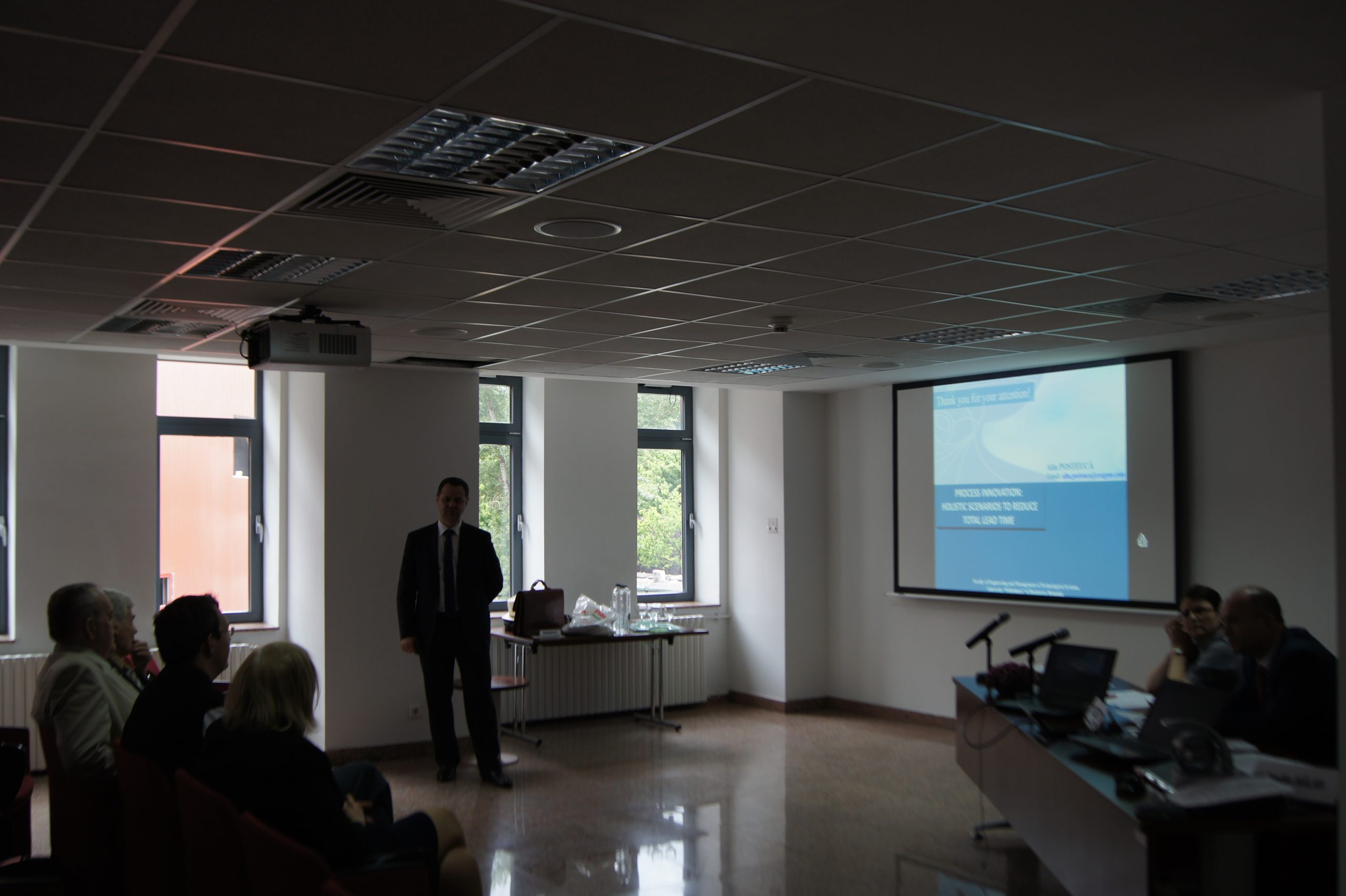
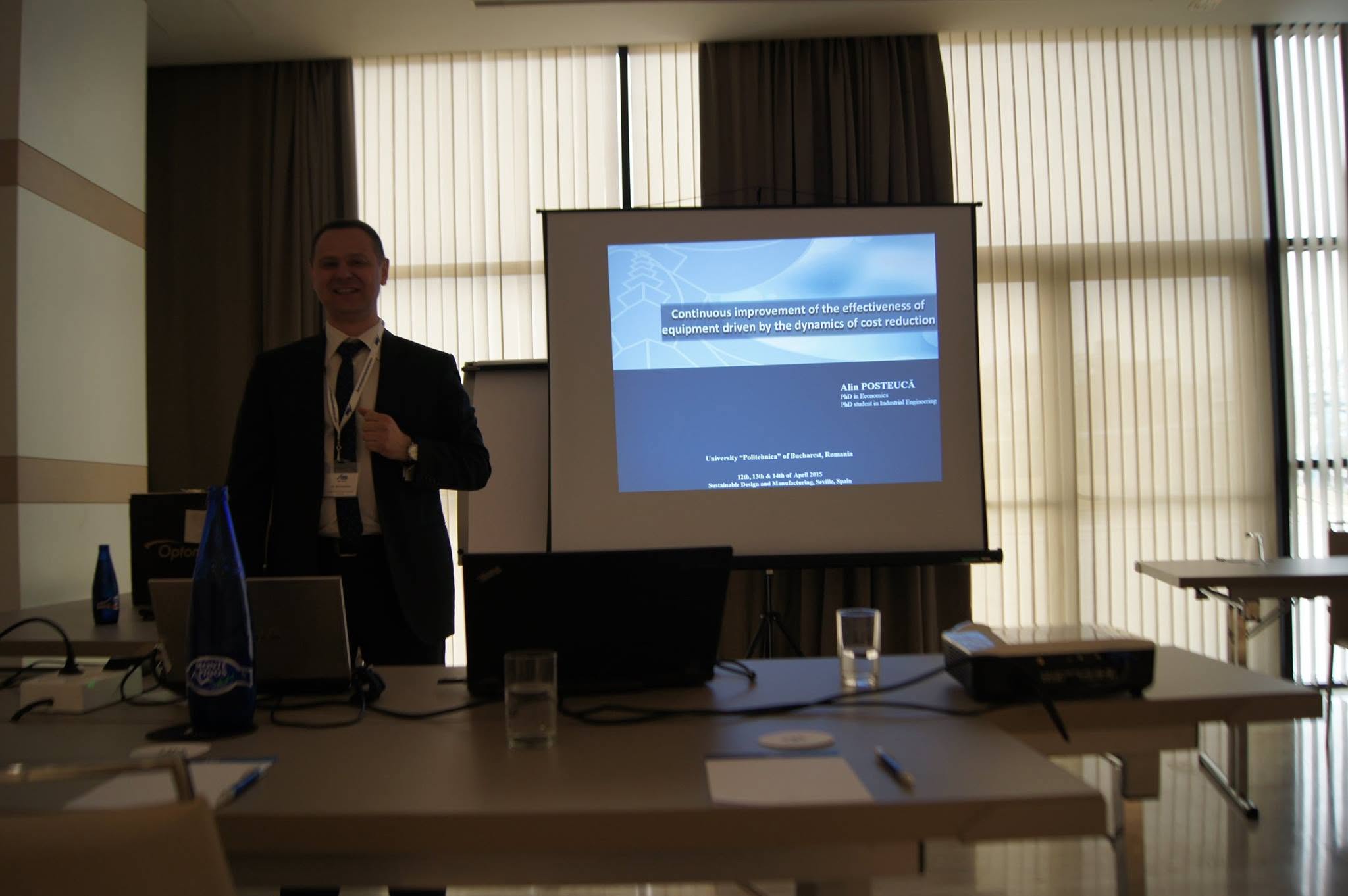
Scientific proof that OEE improvement and cost reduction are dynamically governed by the same architecture. Every equipment effectiveness improvement can be expressed precisely as a financial improvement in manufacturing cost.
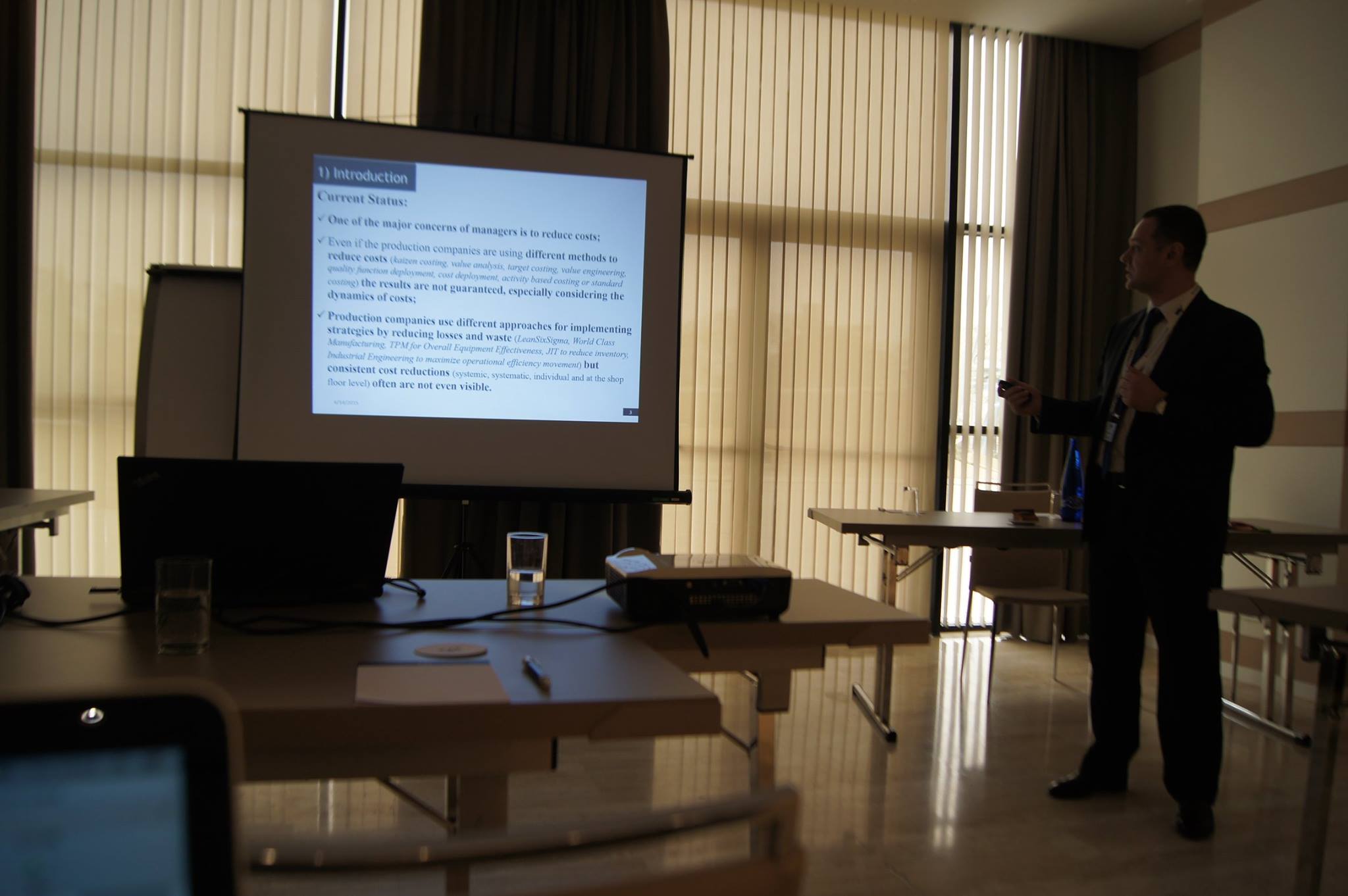
Introduced financial professionals to the operational ontology of cost structures — how losses and waste generate costs that standard costing cannot see, govern, or eliminate.

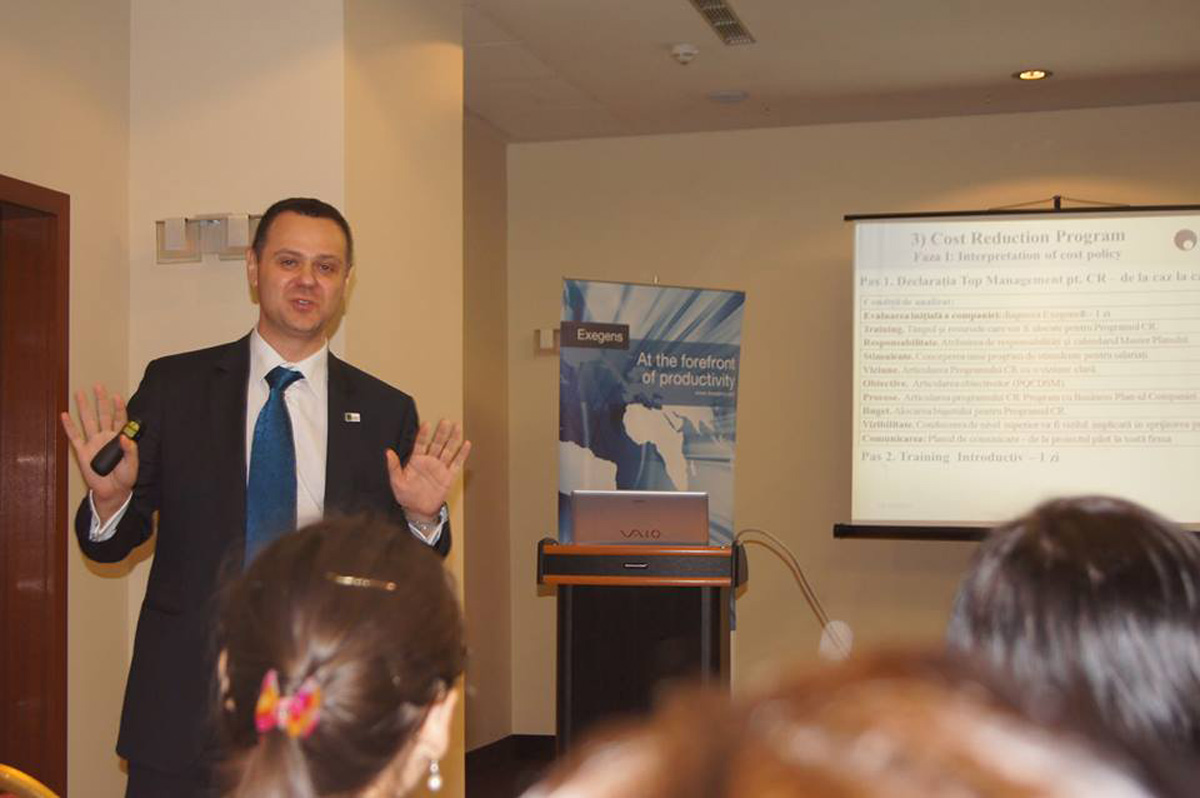

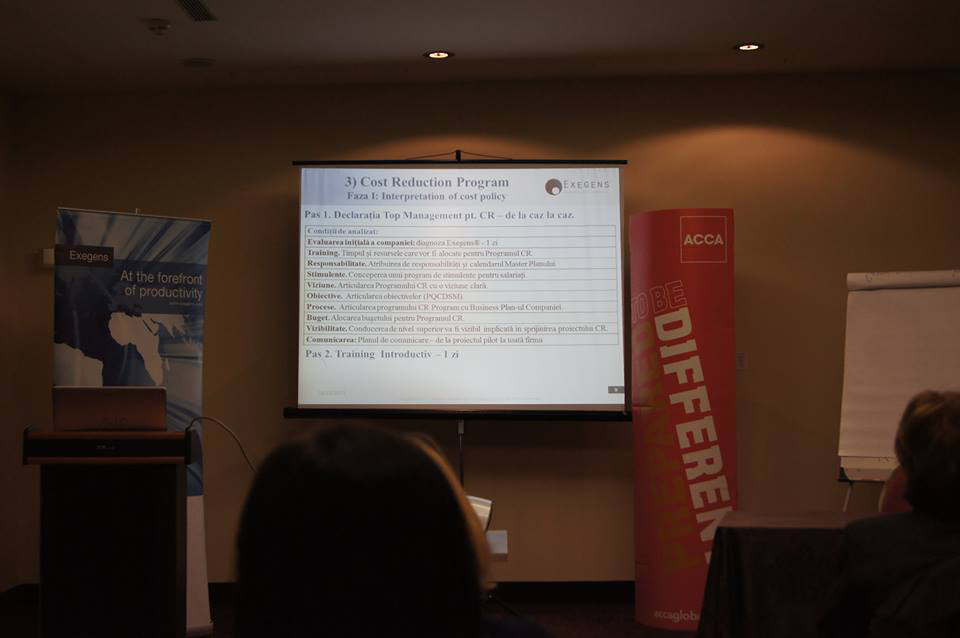
The early empirical work establishing the direct link between SMED and financial cost architecture. Practice first. Science always.
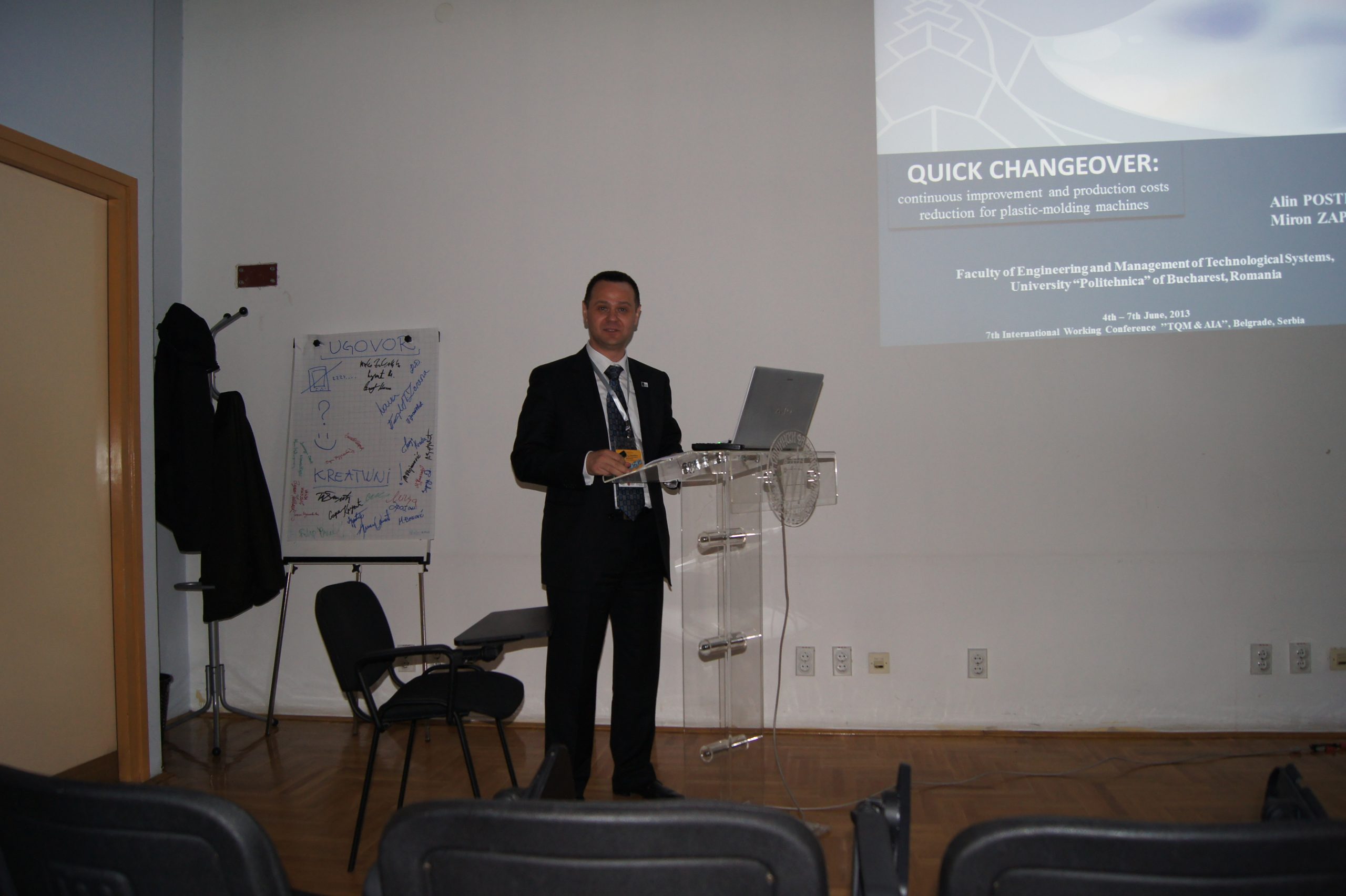
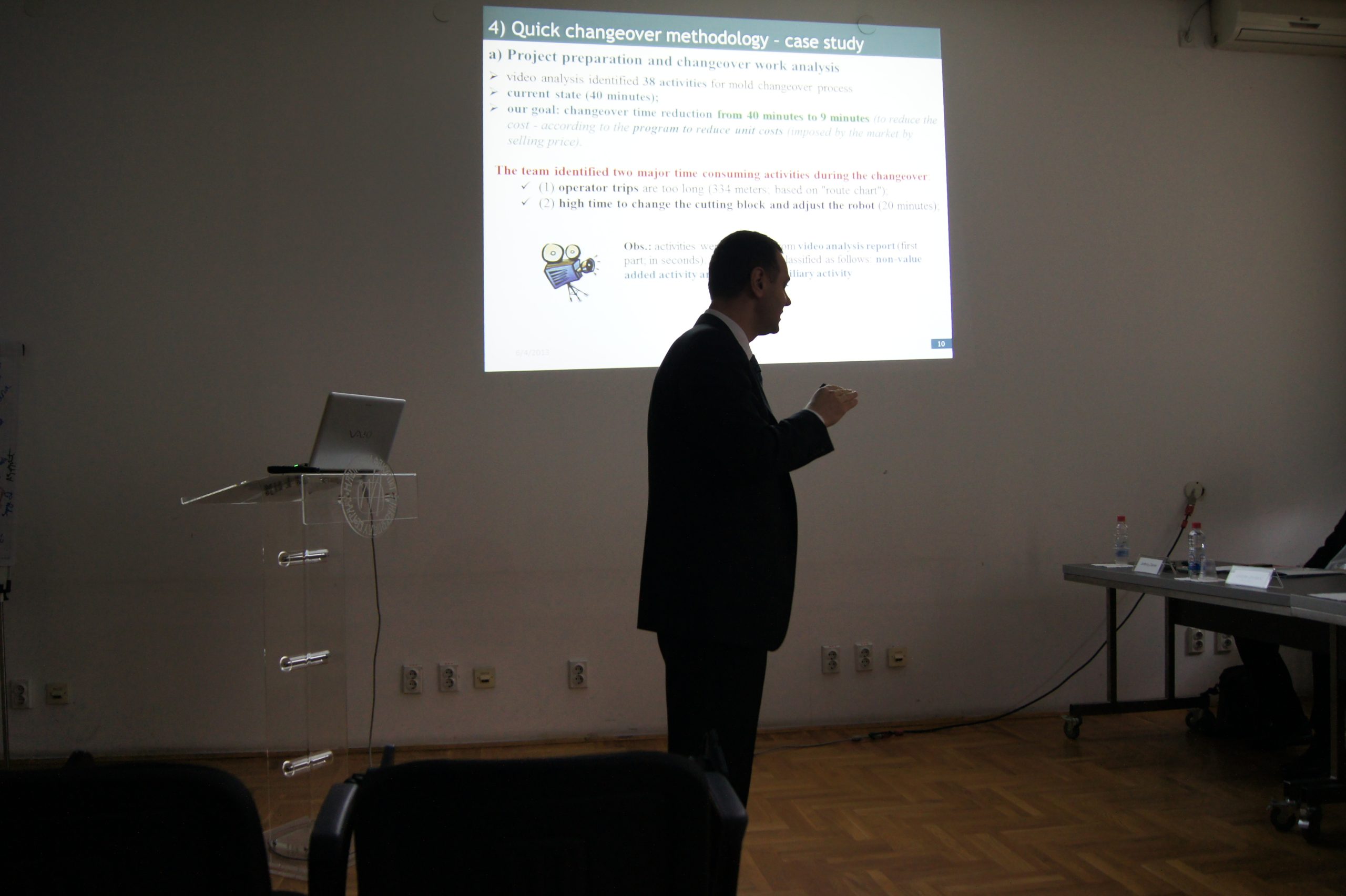
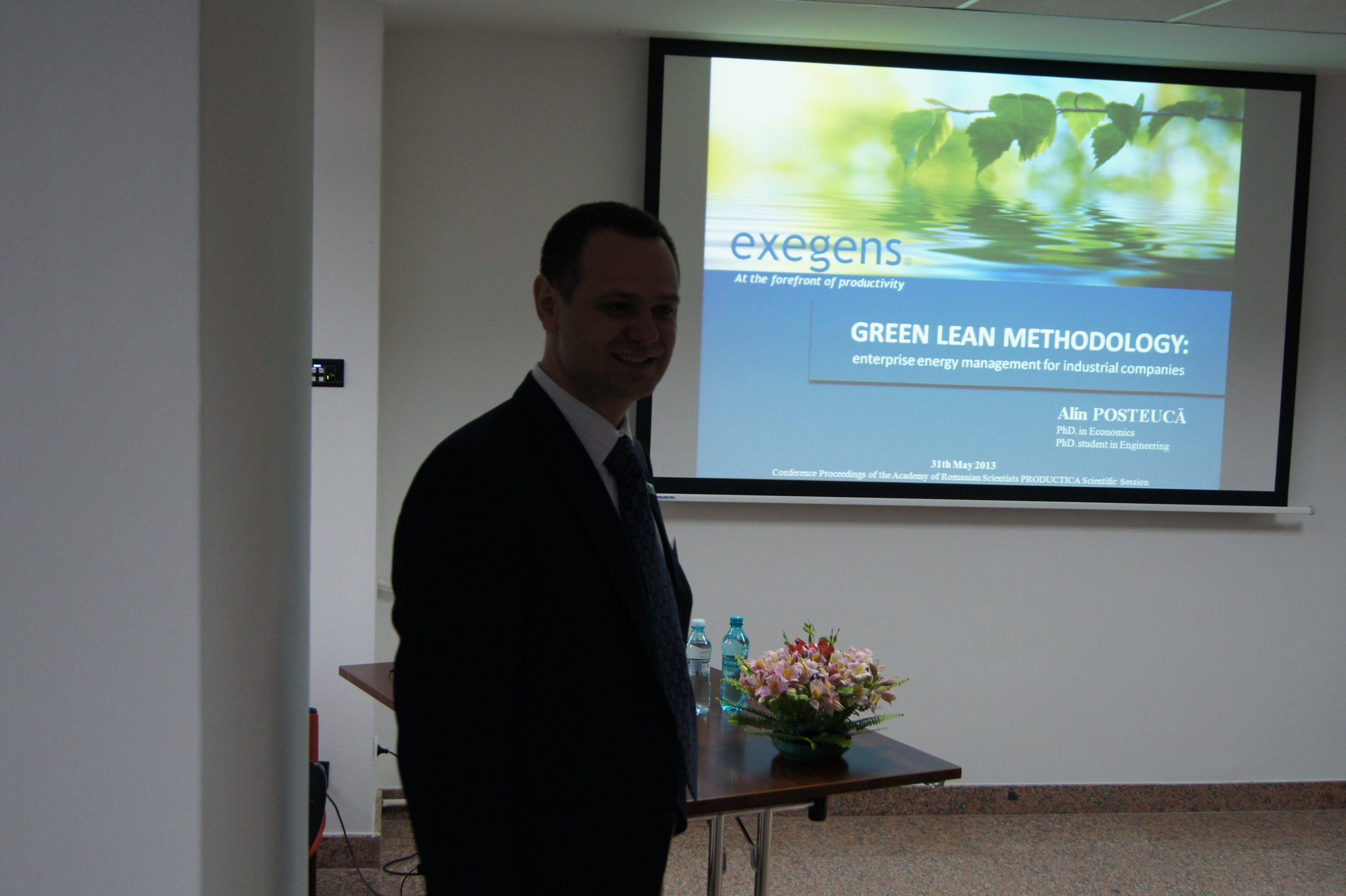
Energy over-consumption is a Physical Loss and Waste — quantifiable and governable. Every unit of energy over-consumed is a unit of profit surrendered.
International validation of the productivity and profitability framework that would later become the Strategic Kaizen Paradigm — with European peers who would later receive the five Routledge volumes.
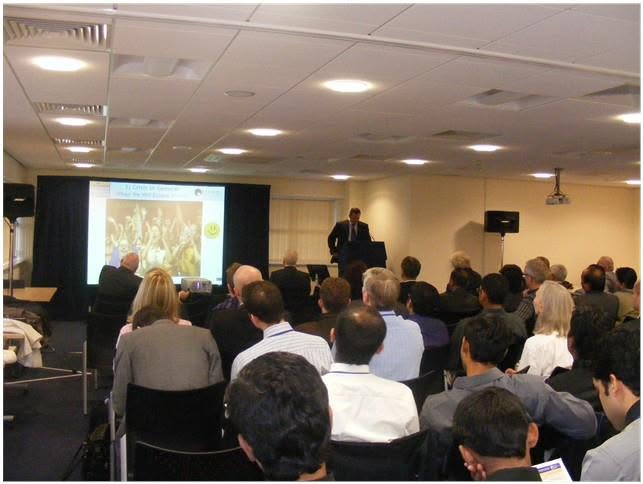
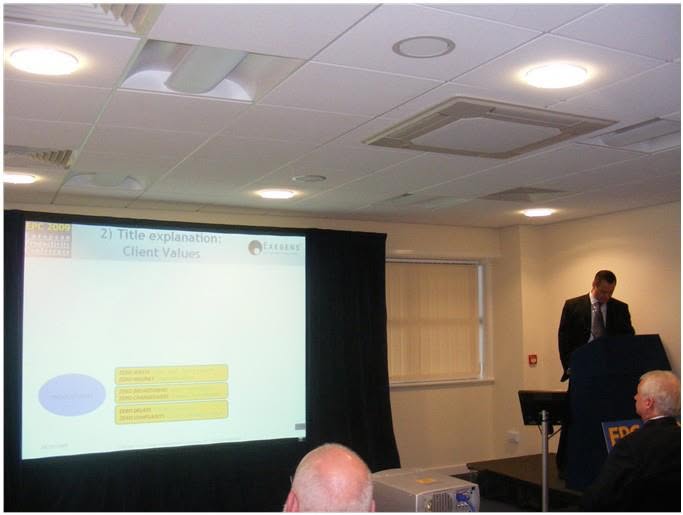
Productivity science does not stop at the factory gate. Every organisation that governs outputs against inputs can deploy the architecture of designed performance improvement.

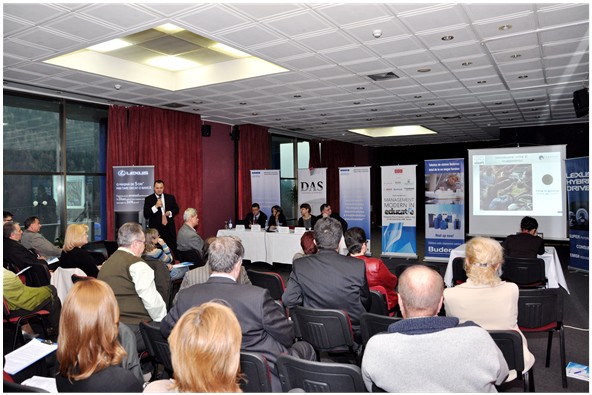
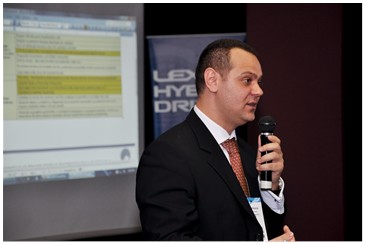
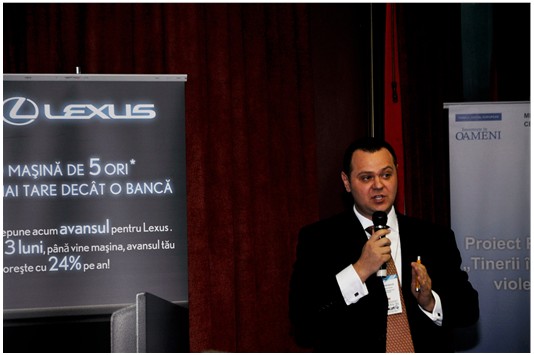
Organiser of the European Productivity Conference in Bucharest — over 70 guests from 17 countries. Ten years before Bahrain, Bucharest was the beginning.


A paradigm begins in the production floor. It is confirmed in the doctoral thesis. It enters the world in the plenary session of the World Productivity Congress. And it governs wherever an executive is willing to design profit before the fiscal year demands it.